

Endmaker
- 2 Posts
- 24 Comments


 3·1 month ago
I liked it so much I read the novels and spinoff.
Same. In my case, it got me to read my first light novel.
I think OPM is better, but that’s because I’m bald.
Based.
 31·1 month ago
- For those companies receiving taxpayer money, layoffs must be voluntary, not compulsory, as is already the case for many white-collar employees.
Companies can simply do a soft layoff by making working conditions worse (e.g. declaring a work-in-office mandate when working-from-home has been the norm)
anime
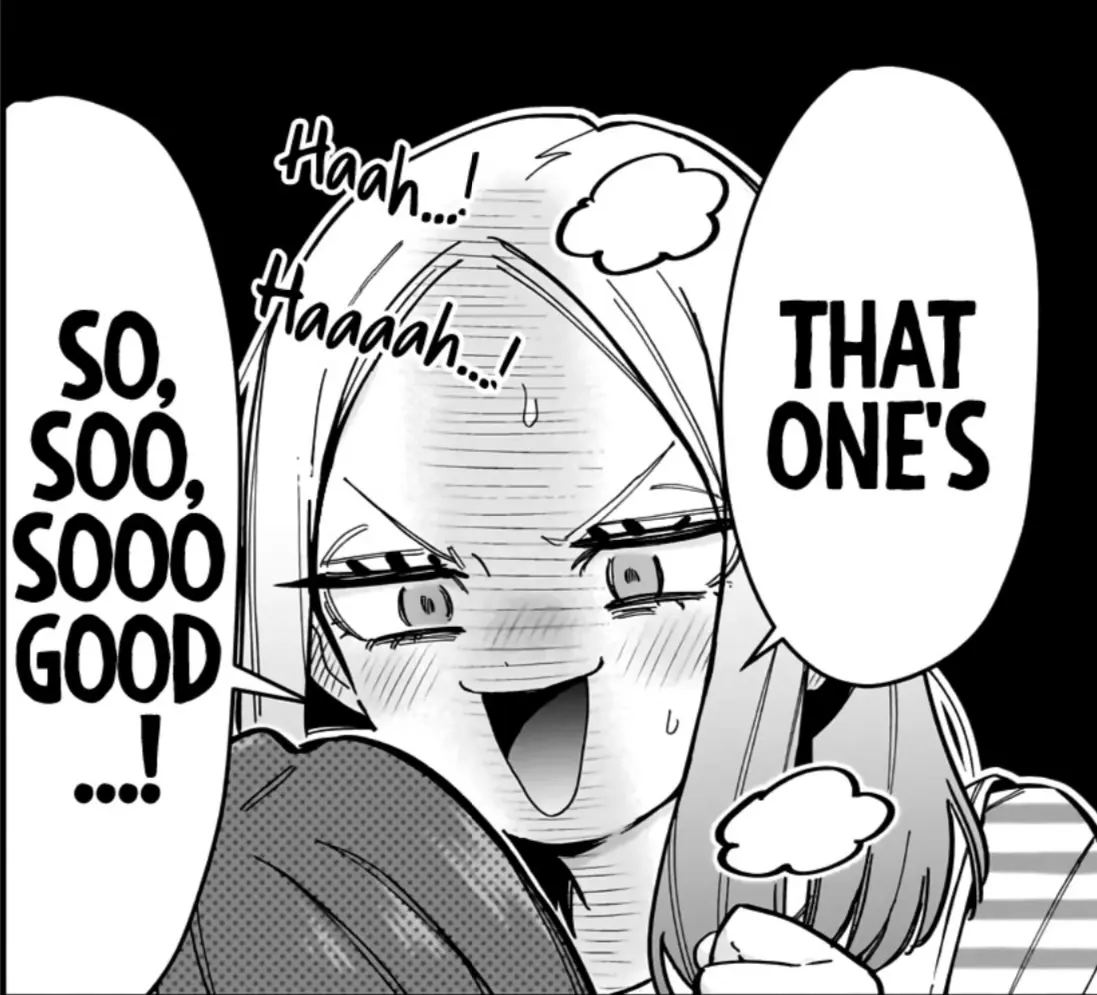
The 100 Girlfriends Who Really, Really, Really, Really, REALLY Love You - One of the zaniest, wackiest anime in recent history to turn your brain off to. (genre: comedy, romance)
86 - Too good for me to put into words. Just watch it. (genre: action, drama)
TV shows
Silicon Valley (HBO series) - As someone pointed out: it’s not a satire; it’s a documentary - for programmers at least. (genre: comedy)
The Night Manager - The showmakers made it look like either side could win till the very last few minutes, keeping me on the edge of my seat for the entire show. (genre: thriller)
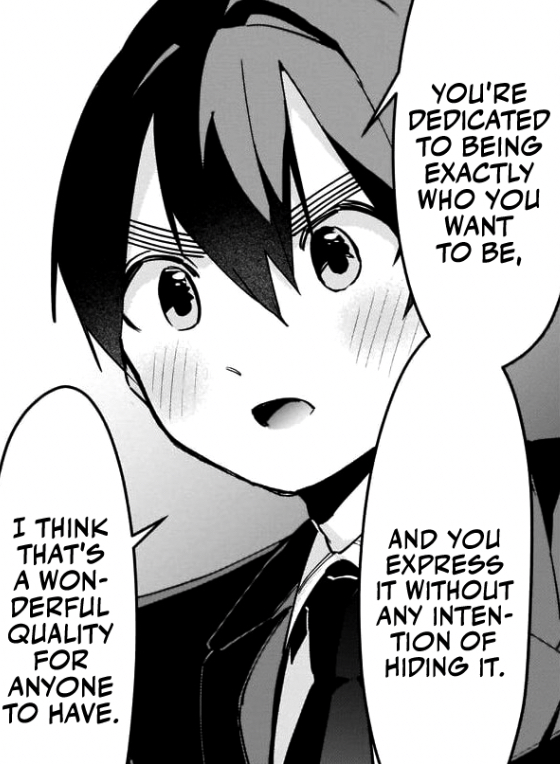
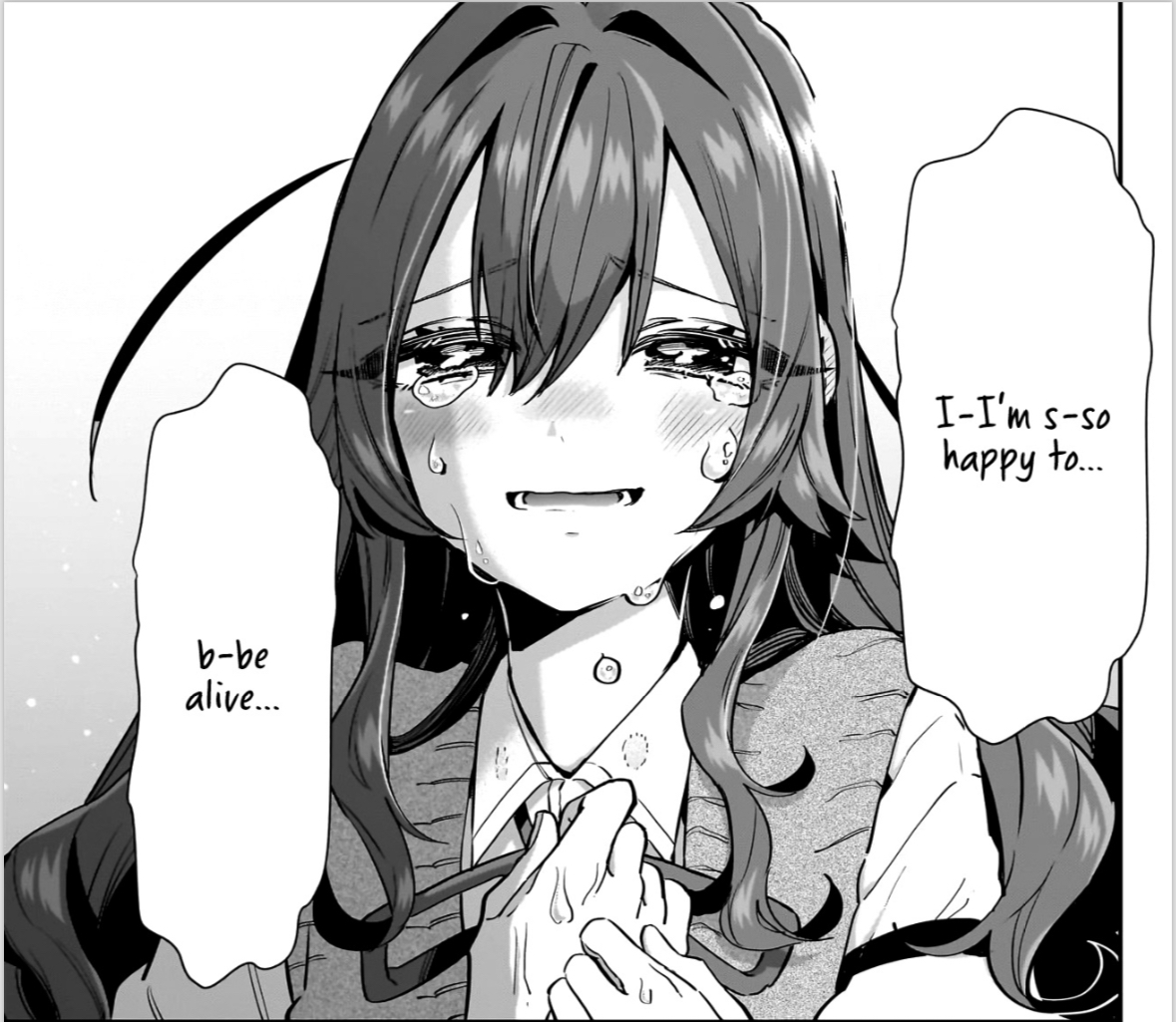
The next chapter of The 100 Girlfriends Who Really, Really, Really, Really, Really Love You
Edit
On any other day:
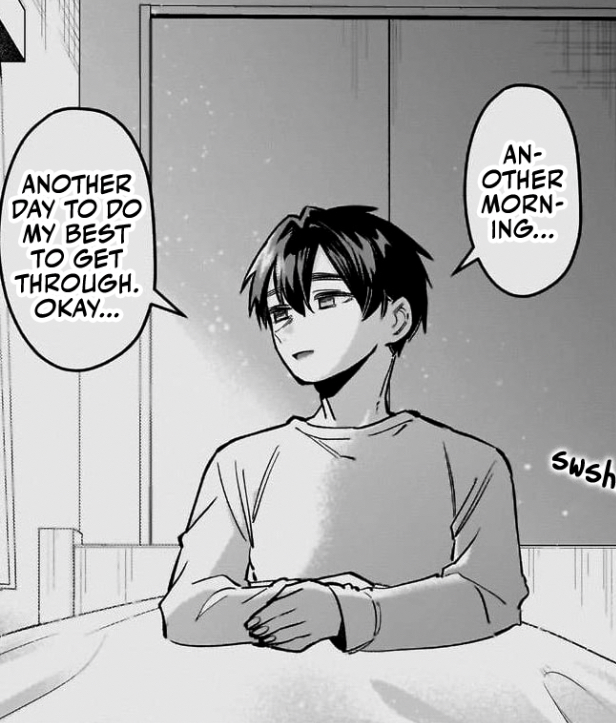
When a new chapter gets released:
 881·2 months ago
OpenAICloseAI
Yeah, I get you.
In my case, I just pointed out (politely, I hope) that they were the one who called me, and not the other way round.
And thankfully, they left it at that.
 76·2 months ago
Help why is my password showing up as asterisks?
 0·2 months ago
Cool; just like how human hunters would imitate mating calls / cries
 3·2 months ago
Honestly, I thought the picture is showing that humans are apes, given that we share a common ape ancestor. (And if we go further back, we are all primates, mammals, animals, etc)
Thanks for pointing out the obvious on my behalf.
Any costume that a human wear is an ape costume.
Any context?




Fun. That’s why they are my hobbies.
Y’all are too mature.
Clearly, it tastes like your mom.
 34·3 months ago
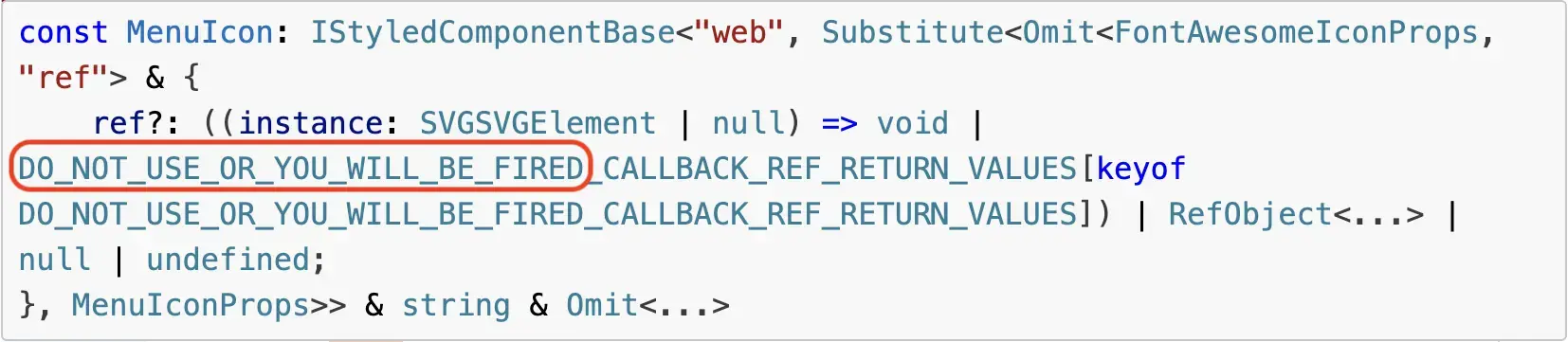
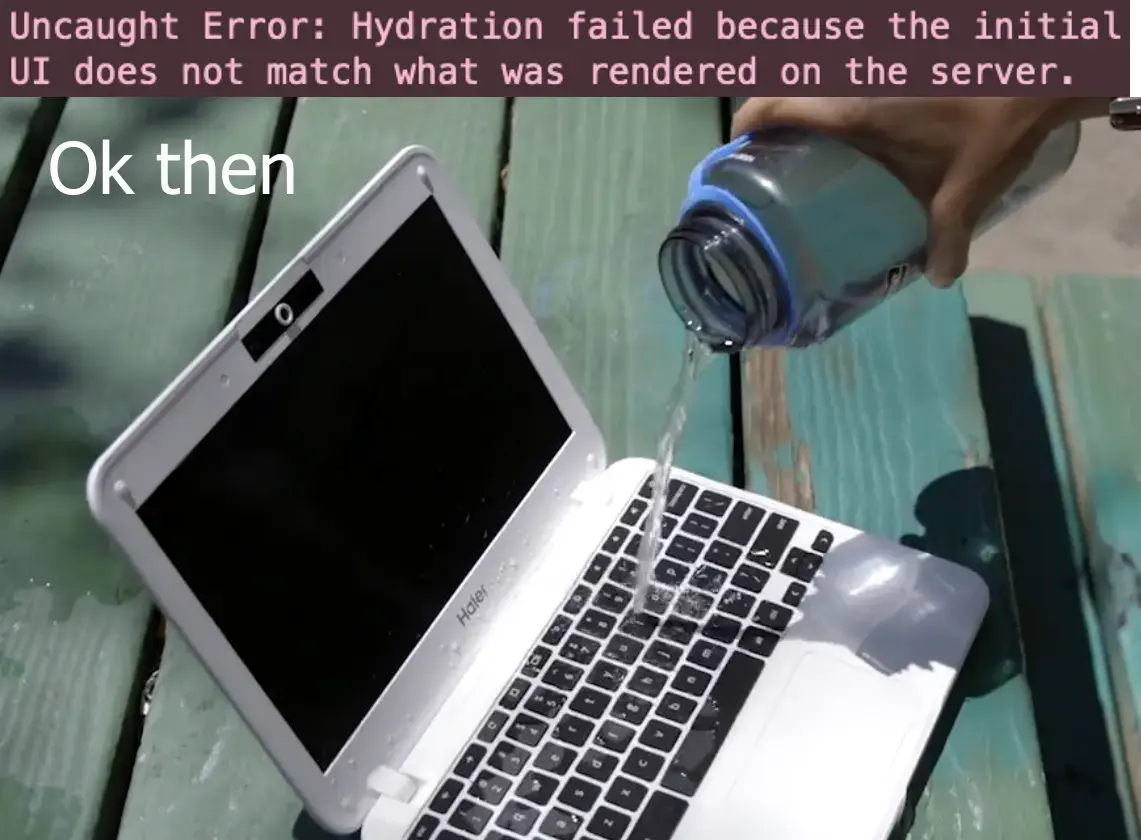
Since we are on the topic of funny stuff in code, here’s one encounter I had earlier:
Singapore
61% of the votes, but 89% of the seats in parliament