Support my team and I to make more videos like this at: https://patreon.com/tomnicholasCapitalism is dead. Killed by its own biggest fans. That's the thesis ...
The interviewer is just rephrasing what Varoufakis wrote in his book. It is a bit provocative on the side of Varoufakis, sure. But he explains what he means by that in the interview (and the book of course).
So I read the transcript and Varoufakis says some wrong things. Like he says a shopping center is a market because you can buy things from shops but Amazon isn’t because Amazon takes a cut of sales without producing anything.
But shopping centers take rent. They also get paid for product placement in their open spaces. Grocery Stores take a cut of all sales. You not only have to pay them just to put your product in a store but you have to pay more if you want it easily viewable on a shelf and not at the bottom in a corner of the store.
He also said that capitalism is dead because of so few companies dominating the market which ignores the Robber Barron era of capitalism where a small group of companies like Standard Oil and Carnegie Steel dominated the market.
So no, capitalism isn’t dead. It’s returning to it’s more pure form of unrestricted abuse.
You misunderstood the argument about shopping malls. Obviously a rents arn’t a new thing, and Varoufakis explicitly says so. The difference with Amazon is that you can not browse it like you can do in a regular shop or in a mall, as everything you do is filtered through a personalized search algorithm that opimizes for maximum rent extraction.
Same for the rest of your argument. He doesn’t say capitalism is dead because of monopolies alone, but due to how these monopolies shape and restrict the market access.
The difference with Amazon is that you can not browse it like you can do in a regular shop or in a mall, as everything you do is filtered through a personalized search algorithm that opimizes for maximum rent extraction.
Which is why I made the Grocery Store comparison. Grocery stores are filtered for maximum rent extraction. Grocery stores do not place products based on what the customer want but on maximum rent extraction from each and every product on a shelf.
He doesn’t say capitalism is dead because of monopolies alone, but due to how these monopolies shape and restrict the market access.
Which is wrong because Capitalism has always attempted to restrict market access. Cartels, interlocking Directorates, Trusts, and other collusions were all busted by socialists policies to control the fundamental aspect of capitalism- which is a single company gaining total market control. 150 years ago companies not only monopolized their market but owned the town where the workers lived and stores where the workers shopped. That’s the Capitalism that Marx wrote against.
If you look at a single grocery store yes, but that isn’t a market, that is a single store.
Capitalism has a tendency to cause disruptions to itself yes. Hence the regularly reoccurring stock-market crashes and so on. Classic monopolies are also not stable, they might be able to corner the market for a while, but this can only work for so long. What Varoufakis describes is a new equilibrium of feudal like market control das doesn’t work according to classical capitalist principles, even assuming realistically the worst of them, which Varoufakis as a Marxist clearly does.
If you look at a single grocery store yes, but that isn’t a market, that is a single store.
This is because of existing laws to control capitalism which prevents a single grocery store from becoming a monopoly. That the anti monopoly laws are no longer being applied doesn’t make it not capitalism. It’s unrestrained capitalism.
Classic monopolies are also not stable, they might be able to corner the market for a while, but this can only work for so long.
That’s free market libertarian philosophy which was historically proven to not work. The entire reason Trust Busting happened was because classic monopolies are not only stable but continue to grow.
No, a single store can never be a market by definition. Varoufakis actually spends some time in the interview trying to explain that.
Of course if your definition of unrestrained capitalism is entirely devoid of markets and competition than you can argue like you do, but that is really bending the definition even in Marxist terms, no need to go lala-land of libertarians for that.
But if you include those, than Varoufakis is right and what we see these days isn’t really capitalism any more, but something else more akin to feudal rent extraction.

You are arguing something entirely made up. Varoufakis is a marxist and not in any way an apologists for classical capitalists.
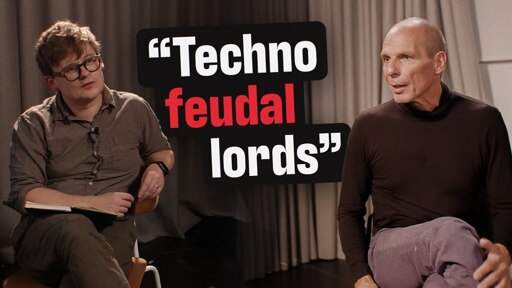
Tom Nicholas, the interviewer, opens with this:
“Capitalism is dead. Swept aside by gargantuan monopolist tech platforms which seek not just to dominate markets but to own them.”
Varoufakis didn’t say that, the interviewer did.
The interviewer is just rephrasing what Varoufakis wrote in his book. It is a bit provocative on the side of Varoufakis, sure. But he explains what he means by that in the interview (and the book of course).
So I read the transcript and Varoufakis says some wrong things. Like he says a shopping center is a market because you can buy things from shops but Amazon isn’t because Amazon takes a cut of sales without producing anything.
But shopping centers take rent. They also get paid for product placement in their open spaces. Grocery Stores take a cut of all sales. You not only have to pay them just to put your product in a store but you have to pay more if you want it easily viewable on a shelf and not at the bottom in a corner of the store.
He also said that capitalism is dead because of so few companies dominating the market which ignores the Robber Barron era of capitalism where a small group of companies like Standard Oil and Carnegie Steel dominated the market.
So no, capitalism isn’t dead. It’s returning to it’s more pure form of unrestricted abuse.
You misunderstood the argument about shopping malls. Obviously a rents arn’t a new thing, and Varoufakis explicitly says so. The difference with Amazon is that you can not browse it like you can do in a regular shop or in a mall, as everything you do is filtered through a personalized search algorithm that opimizes for maximum rent extraction.
Same for the rest of your argument. He doesn’t say capitalism is dead because of monopolies alone, but due to how these monopolies shape and restrict the market access.
Which is why I made the Grocery Store comparison. Grocery stores are filtered for maximum rent extraction. Grocery stores do not place products based on what the customer want but on maximum rent extraction from each and every product on a shelf.
Which is wrong because Capitalism has always attempted to restrict market access. Cartels, interlocking Directorates, Trusts, and other collusions were all busted by socialists policies to control the fundamental aspect of capitalism- which is a single company gaining total market control. 150 years ago companies not only monopolized their market but owned the town where the workers lived and stores where the workers shopped. That’s the Capitalism that Marx wrote against.
If you look at a single grocery store yes, but that isn’t a market, that is a single store.
Capitalism has a tendency to cause disruptions to itself yes. Hence the regularly reoccurring stock-market crashes and so on. Classic monopolies are also not stable, they might be able to corner the market for a while, but this can only work for so long. What Varoufakis describes is a new equilibrium of feudal like market control das doesn’t work according to classical capitalist principles, even assuming realistically the worst of them, which Varoufakis as a Marxist clearly does.
This is because of existing laws to control capitalism which prevents a single grocery store from becoming a monopoly. That the anti monopoly laws are no longer being applied doesn’t make it not capitalism. It’s unrestrained capitalism.
That’s free market libertarian philosophy which was historically proven to not work. The entire reason Trust Busting happened was because classic monopolies are not only stable but continue to grow.
No, a single store can never be a market by definition. Varoufakis actually spends some time in the interview trying to explain that.
Of course if your definition of unrestrained capitalism is entirely devoid of markets and competition than you can argue like you do, but that is really bending the definition even in Marxist terms, no need to go lala-land of libertarians for that.
But if you include those, than Varoufakis is right and what we see these days isn’t really capitalism any more, but something else more akin to feudal rent extraction.